
Spring Solar Panel Maintenance and Cleaning Tips
Posted by Signature Solar on 18th Mar 2026
Spring is a great time to check in on your solar system. After months of winter weather, pollen, dust, and debris can build up on solar panels and around your equipment. A quick seasonal inspection can help make sure everything is working properly before the longer, sunnier days of summer arrive.
The good news is that solar panels require very little maintenance. Still, taking a little time each spring to clean your panels and check your system can help keep your solar setup running efficiently.
Below is a simple guide to help you perform basic spring solar panel maintenance.
Why Spring Is a Good Time to Check Your Solar System
Seasonal changes can affect solar panel performance. During the winter, panels can collect dirt, dust, and debris. As spring arrives, pollen and new plant growth can also impact how much sunlight reaches your panels.
A quick spring check can help you:
-
Remove dirt and debris from your panels
-
Make sure your system is producing power normally
-
Check for loose hardware or visible damage
-
Identify new shade from trees or plants
-
Prepare your system for peak summer production
A small amount of maintenance now can help your system continue producing reliable power throughout the year.
Cleaning Your Solar Panels
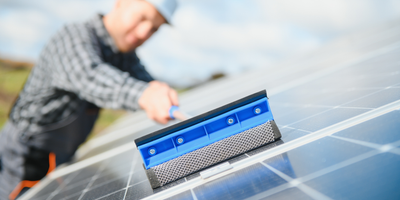
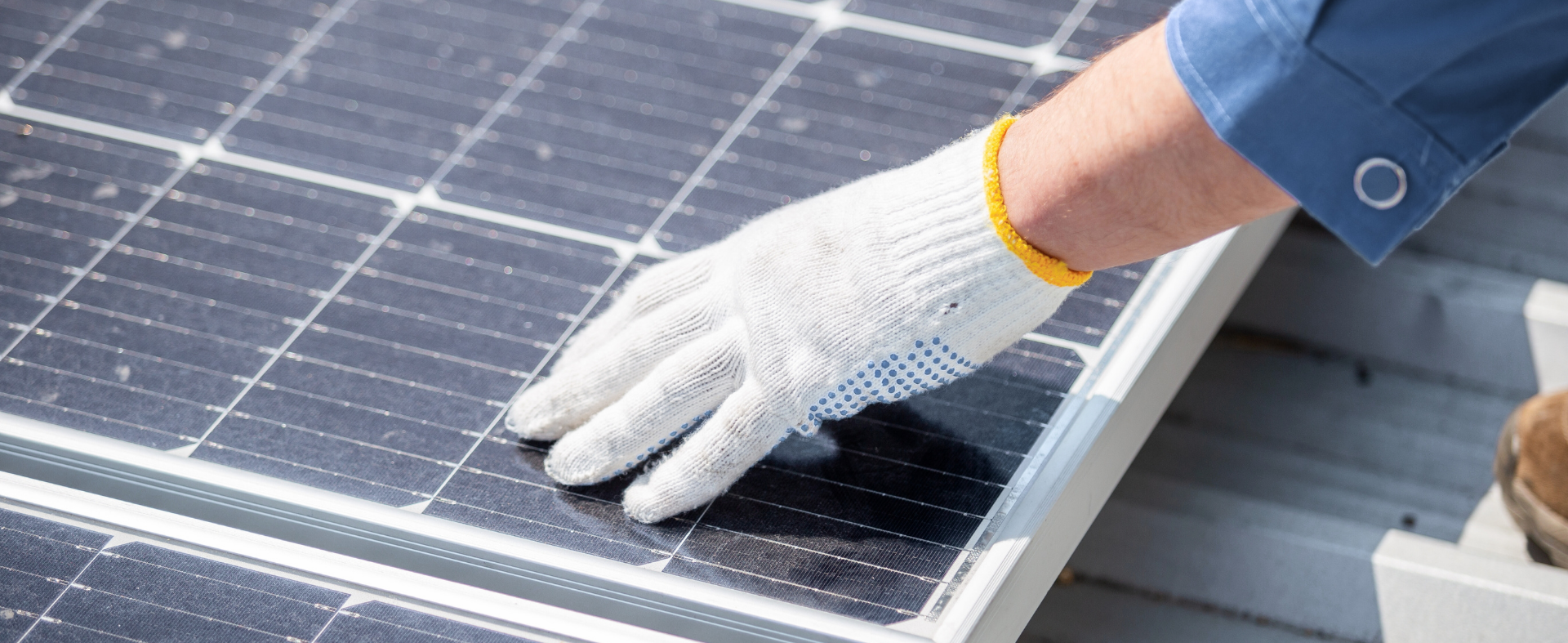
Cleaning solar panels is one of the easiest ways to maintain solar performance. Over time, dust, pollen, bird droppings, and leaves can build up on the surface of panels and block sunlight.
In many areas, rain will wash away light dust and debris. But if you notice visible buildup, a simple cleaning can help restore performance.
Tips for cleaning solar panels safely
-
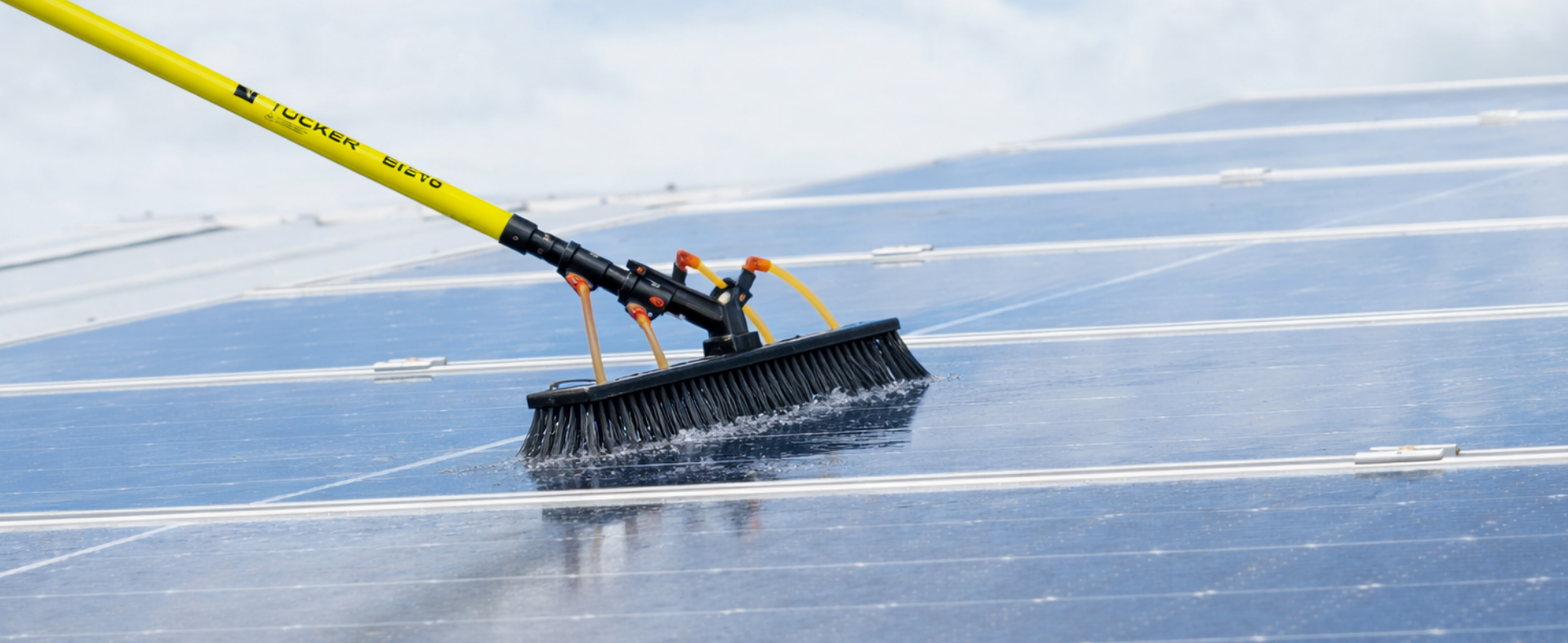
Use a soft brush or microfiber cloth
-
Rinse panels with clean water from a hose
-
Clean panels early in the morning or later in the evening
-
Avoid harsh chemicals or abrasive cleaning tools
-
If you use chemicals, only use those designed for solar panel cleaning. Check out our cleaning solutions.
-
Do not use high-pressure washers
If your panels are on a steep roof or difficult to reach, it may be safer to leave cleaning to professionals or use specialized solar cleaning tools.
Perform a Quick System Inspection
Spring is also a good time to take a quick look at the rest of your solar setup. Most solar systems are very durable, but a simple visual inspection can help catch small issues early.
Check for things like:
-
Leaves or debris stuck around the panels
-
Dirt buildup around mounting hardware
-
Loose bolts or brackets on the racking system
-
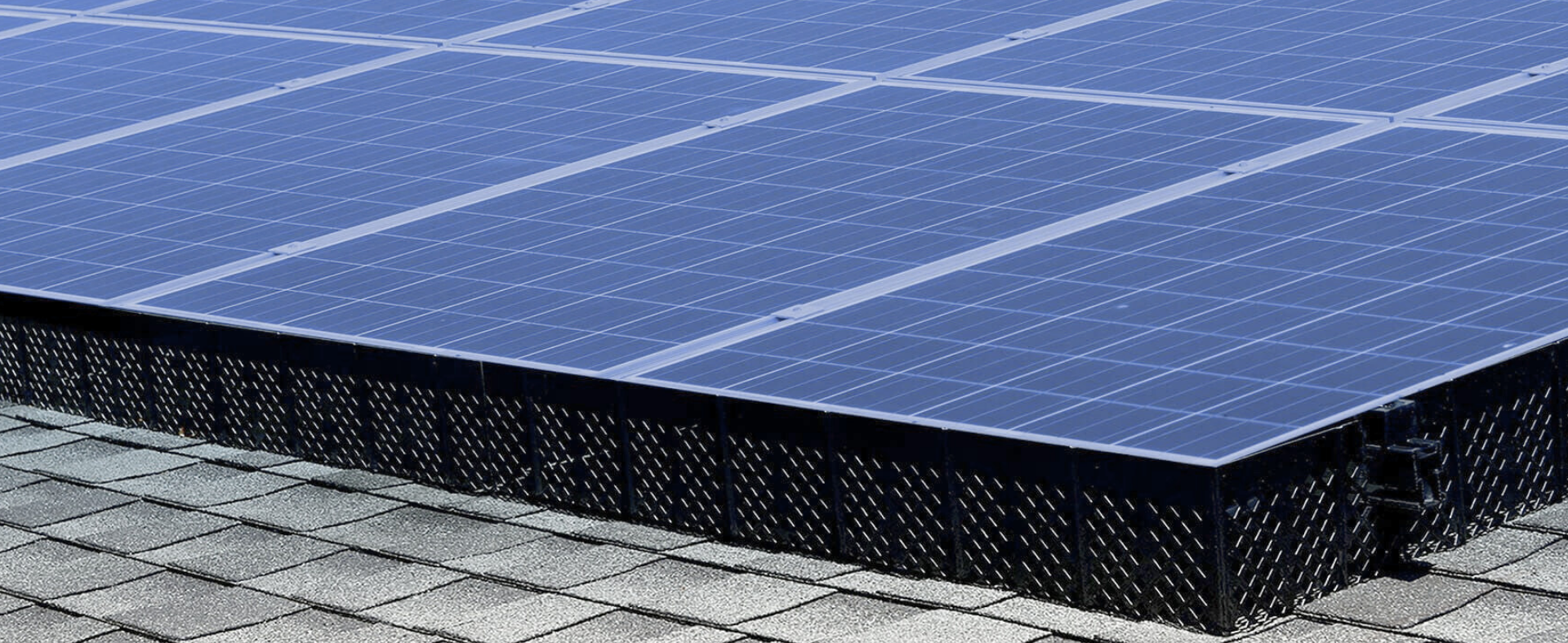
Animals nesting underneath the panels. Check out our pest abatement solutions to help prevent this.
You don’t need to take anything apart. Just looking for anything unusual can help you spot potential problems before they become bigger issues.
Check Your Inverter and Monitoring System
Your solar inverter is the device that turns the energy from your panels into electricity your home can use. Many systems also include a monitoring app or portal where you can track how much power your system is producing.
During your spring check, take a moment to:
-
Make sure the inverter shows normal operation
-
Look for any warning lights or error messages
-
Review your energy production in your monitoring system
If your system suddenly seems to be producing much less power than normal, it may be time to look for shading, dirty panels, or a system issue.
Watch for New Shade From Trees
As trees and plants grow in the spring, they can sometimes create new shade that wasn’t there before.
Take a look at your panels during the day and check for:
-
Tree branches casting shadows on the panels
-
Plants or structures blocking sunlight
-
New growth that may continue to expand during the summer
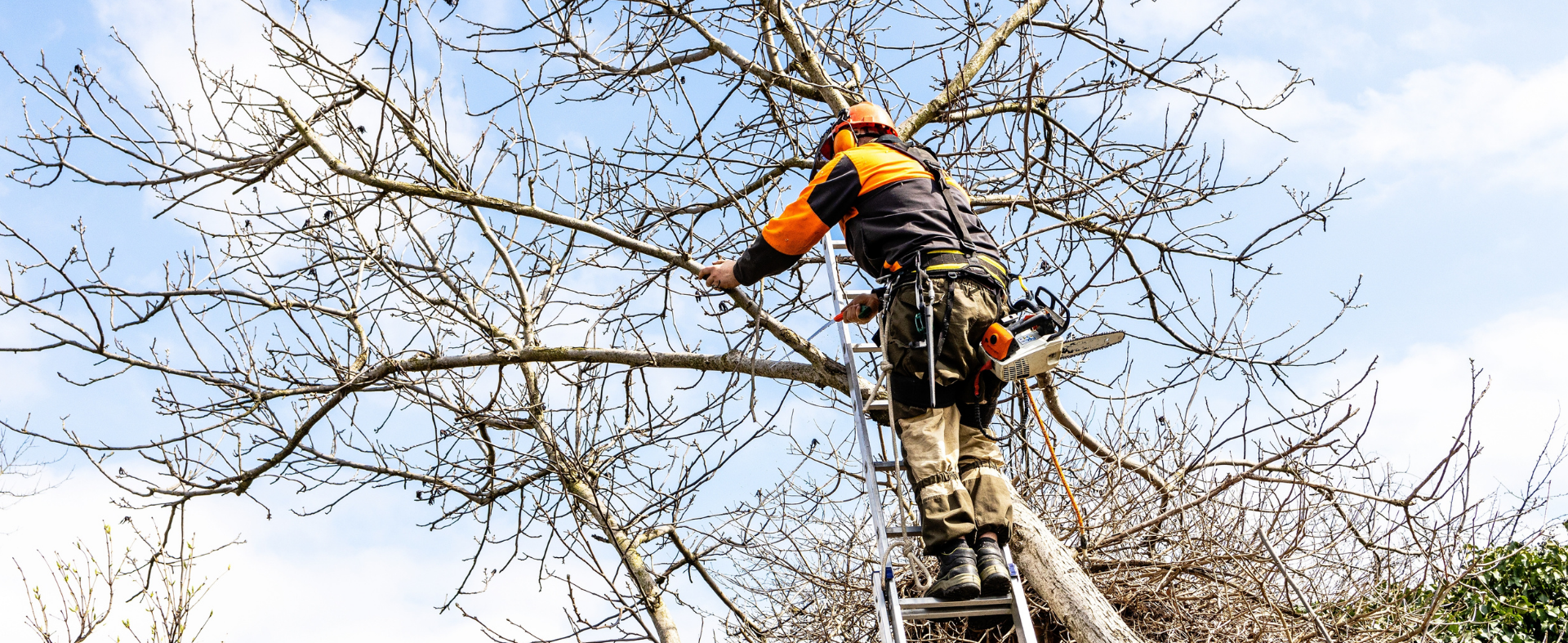
Trimming back branches can help ensure your panels continue receiving full sunlight.
Check Wiring and Conduit
Most solar wiring is protected inside conduit, but it’s still helpful to look for visible damage.
Look for:
-
Cracked or damaged conduit
-
Loose wiring connections
-
Signs that animals may have chewed on wires
If you notice damaged wiring, it’s best to contact a qualified solar technician rather than trying to repair it yourself.
Check Batteries (If Your System Has Storage)
If your solar system includes battery storage, spring is a good time to confirm everything is working properly.
Things you may want to check include:
-
Battery charge levels
-
Any alerts or warnings on the battery system
-
The temperature of the battery area
A properly functioning battery helps ensure stored energy is available when solar production drops.
Spring Solar Panel Maintenance Checklist
Here is a quick solar panel maintenance checklist you can use each spring:
-
Clean dust, pollen, and debris from solar panels
-
Remove leaves or debris around the array
-
Inspect mounting hardware and brackets
-
Check inverter status lights
-
Review system monitoring and production data
-
Look for new shade from trees or plants
-
Inspect wiring and conduit for visible damage
-
Check battery status if your system includes storage
These checks usually only take a short amount of time but can help keep your system running smoothly.
Keeping Your Solar System Running Strong
Solar panels are built to last for decades and require very little upkeep. Still, performing a quick inspection once or twice a year can help keep your system performing at its best.
By cleaning your panels, checking your equipment, and monitoring your energy production, you can help ensure your solar system continues generating reliable power year after year.
A little spring maintenance now can help you get the most out of your solar system during the bright months ahead.